Making a Commitment to Bungalow Preservation
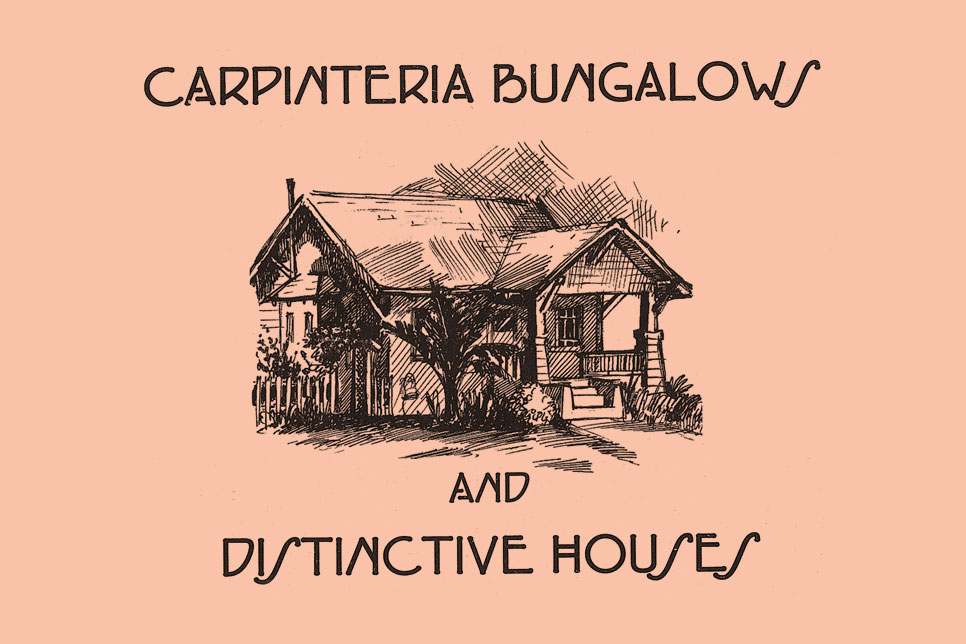
The Carpinteria Bungalows and Distinctive Houses book offers a richly detailed exploration of Carpinteria’s historic bungalows and distinctive houses, highlighting their architectural features, personal histories, and the community’s ongoing commitment to preservation. Prepared by the Carpinteria Valley Association in 2004, the report is organized by neighborhood and blends historical anecdotes, restoration stories, and photographs to showcase how these homes contribute to the city’s unique small-town coastal character. The narrative emphasizes the use of local materials, adaptive reuse, and the importance of maintaining neighborhood integrity, serving both as a historical record and a call to value and protect Carpinteria’s architectural heritage.
Introduction and Purpose of the Book
- The book highlights the unique bungalow and house styles in Carpinteria to promote community appreciation and preservation.
- It emphasizes the importance of these houses as part of the city’s heritage.
- The goal is to encourage the preservation and discovery of more of these historic homes.
Significance of Bungalows in Carpinteria
- Bungalows were built with minimal use of agricultural land and focused on functionality.
- They used locally available materials, especially redwood, aiding their preservation.
- Their design made houses appear larger due to more vertical and horizontal space.
- These homes contributed to the small, rural beach town character of Carpinteria.
Notable Houses and Their Histories
- The Castro House, built around 1910, was originally owned by banker W. D. Isenberg and later by Simeon Shepard.
- Several houses, including the Maple Avenue Victorian, have been restored and moved over time.
- Many homes, such as those on Eighth Street and Palm Avenue, have detailed histories, including original owners and renovations.
- Some houses, like the Hendy Houses, were built by Joe Hendy, a master craftsman, and are significant to local history.
- Several houses were moved from their original locations to preserve them amid development pressures.
Bungalow Preservation and Restoration Efforts
- Community members and families have restored many historic homes, maintaining their original character.
- Specific houses have been carefully preserved with attention to original materials and design.
- The community has recognized the importance of protecting these structures as part of their cultural legacy.
- The Carpinteria Valley Association and city planning aim to preserve the small-town charm.
Historic Buildings and Landmarks
- The Carpinteria Train Station, built in 1888, is a key historic landmark now serving as a parking lot.
- The Carpinteria Community Church, constructed in 1942, features a stained glass window honoring James Hendy.
- Several other historic homes and buildings, including the Old Town area and outlying houses, reflect the city’s development.
Outlying and Coastal Area Houses
- The document describes historic homes along Ogan Road, Vallecito Road, and the beach area.
- The Ogan House, built in 1878, is the oldest continuously occupied home by the original family.
- Coastal homes, like those on Third Street, have been moved or remodeled but retain their historic charm.
- Efforts are ongoing to preserve the character of the beach and marsh areas, including historic cottages.
Community and Cultural Significance
- The houses and landmarks tell stories of Carpinteria’s early settlers, development, and community life.
- Preservation of these structures reflects the community’s desire to retain its small-town, family-oriented atmosphere.
- The document underscores the importance of maintaining natural resources and historic architecture for future generations.
If you know about a community asset that played a role in shaping the community we have today, please share it with us.